Saving for a deposit is often the first big step towards buying your own home. It can feel like a challenge at first, but once you know how much you need and have a plan in place, getting on the property ladder can feel much more achievable.
In this guide, we'll explain how much deposit you need for a house, what influences the size of your deposit, and the most effective ways to save so you can move closer to buying your first home with confidence.
A house deposit is the amount of money you contribute towards the purchase price of a property. The remaining amount is usually covered by a mortgage from a lender.
For example, if you're buying a home worth £250,000 and have a £25,000 deposit, you'll need a mortgage of £225,000.
The size of your deposit affects how much you can borrow and the mortgage deals available to you. In general, the larger your deposit, the lower the risk for lenders, which can help you access more competitive mortgage rates.
One of the most common questions first-time buyers ask is: how much deposit do you need for a house?
The answer will depend on the home you'd like to buy, your budget and the mortgage options available to you.

In the UK, the minimum deposit on a house is typically 5% of the property's value, with 10% being the standard deposit required.
For example, for a £300,000 property, a 10% deposit would be £30,000 and a 5% deposit would be £15,000.
Some lenders may require a larger deposit depending on your credit history, income or the type of property you're buying.
100% mortgages do also exist, where no deposit is required. They’re not widely used and typically come with higher interest rates and stricter criteria, but can be an option in some circumstances.
While a 5% deposit could be enough to secure a mortgage, most buyers aim for 10% to 20% of the property's purchase price.
A larger deposit can help you:
The right deposit for you will depend on your budget, savings and homeownership goals.
When you apply for a mortgage, lenders look at something called Loan-to-Value (LTV). This is simply the percentage of the property's value that you're borrowing.
For example:
Generally, the lower the LTV, the lower the interest rate available. Even increasing your deposit by a few percentage points could help reduce your mortgage costs over time.
The time it takes to save a deposit varies from person to person. Your income, spending habits and savings goals will all play a role.
A simple way to estimate your savings timeline is to:
For example, a £20,000 deposit target with monthly savings of £500 would take around 40 months to achieve.
This can help you set realistic expectations and understand whether you need to adjust your savings strategy.

Several factors can affect how quickly you reach your goal, including your income, expenses, rent and living costs, and whether your family are able to provide any financial support.
It's a good idea to review your savings target regularly, especially if house prices or your circumstances change.
Every first time buyers path is different. Read our customer stories to see how real Persimmon homeowners saved for their deposit, secured a mortgage, and moved into their first home.
If you're wondering about the best way to save for a house deposit, a combination of budgeting, consistency and making use of available support can help you reach your goal faster.
Alongside your deposit, you'll need to budget for other costs associated with buying a home, including:
Factoring these costs into your savings plan can help you avoid unexpected expenses when you're ready to buy.
Our useful mortgage and credit score guide is a great resource for when you’re preparing for a mortgage application.

At Persimmon, we're here to help you understand your options and feel confident about your next steps. Explore our first-time buyer hub, browse our helpful guides, read real customer stories and discover the schemes that could help make buying your first home a reality.
Your first home journey starts here.
These stories explore how couples navigated the buying process and found a home they love that suited both their lifestyle and future plans.
Choose your ideal location, explore our homes, and find a place you’ll love.

Learn how to set your homebuying budget, from deposits and mortgages to extra costs.

Understand mortgages, credit scores, lender checks and how to get mortgage‑ready as a first‑time buyer.
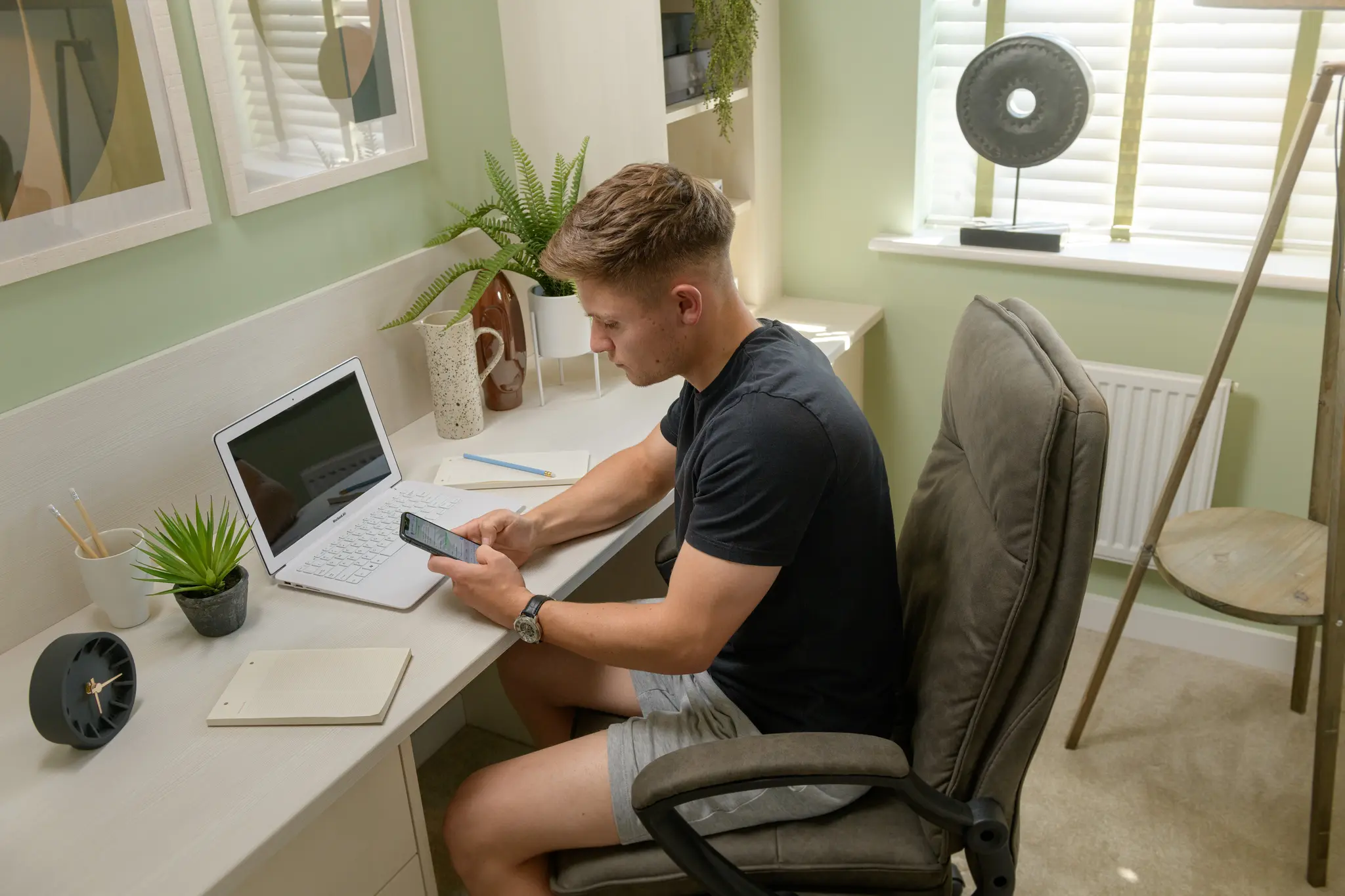
Find out how much deposit you need, the average first‑time buyer deposit, and the best ways to save faster.

Discover how to buy your first home faster with expert help, flexible options and tailored support.
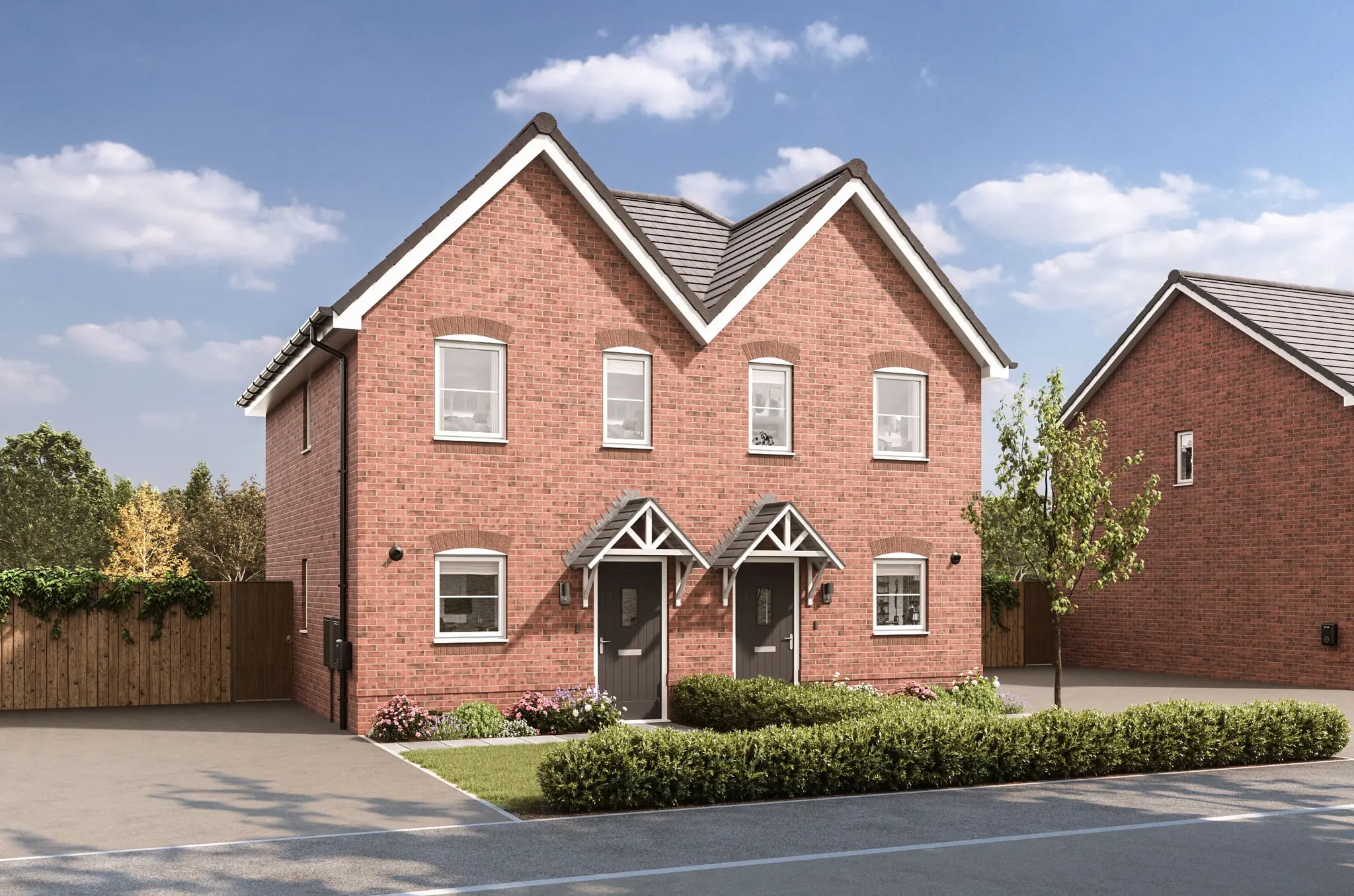
Learn to budget, search and view homes, compare options, and make an offer on your first home.

Learn what completion day means and what happens between offer acceptance and completion.

First-time buyer guides covering everything you need to buy with confidence.
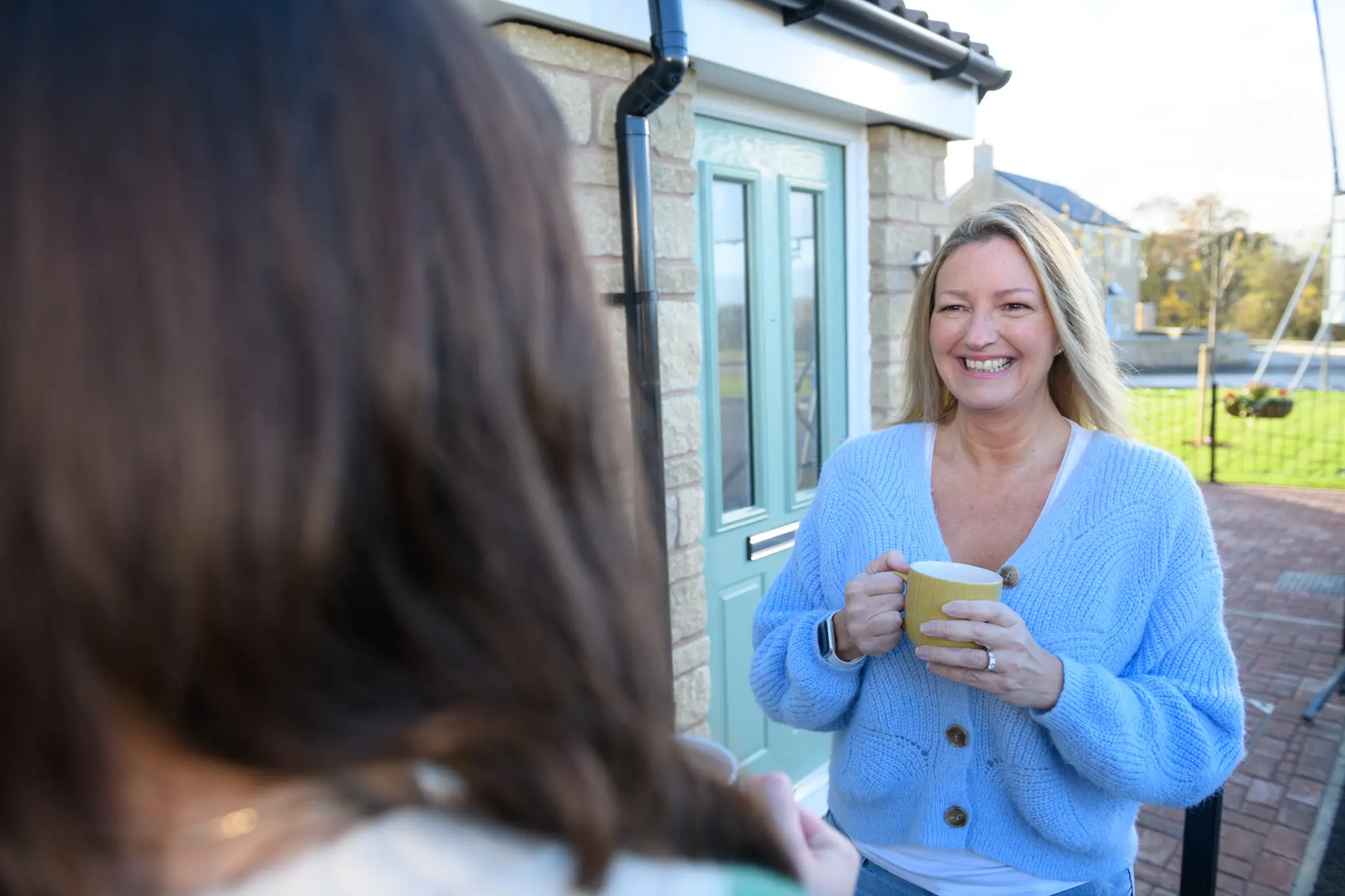
Explore real stories from first-time buyers using schemes to find their dream home and settle in.