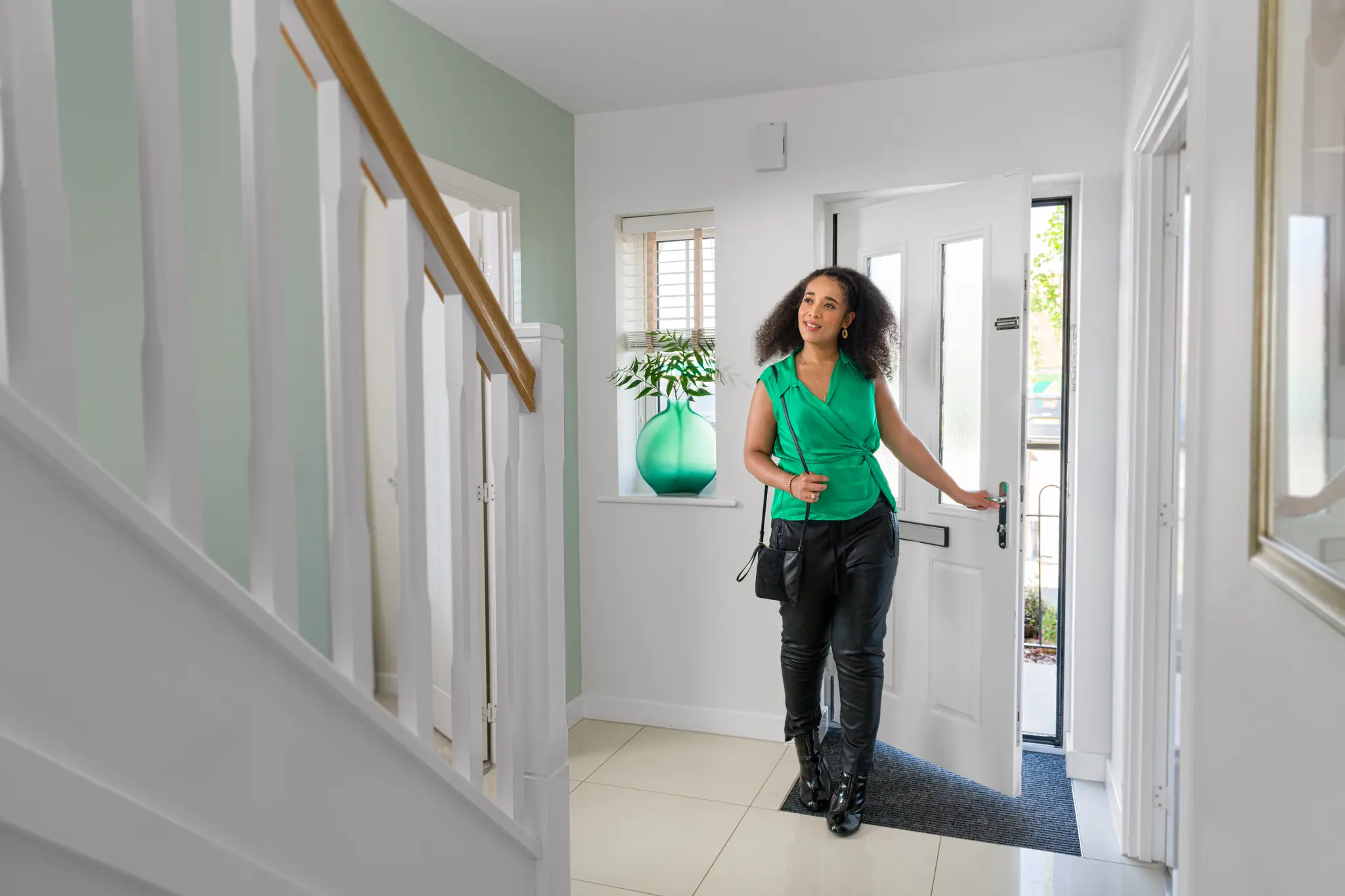
Viewing a house is your chance to look beyond the photos, explore the space for yourself and imagine what everyday life could look like there. But knowing what to look for during a viewing can feel a little overwhelming.
From checking the condition of the property to getting a feel for the neighbourhood, there's plenty to think about before making a decision. The good news? A little preparation goes a long way.
Whether you're viewing a brand-new home or an older property, this guide covers the essential things to look for when viewing a house, the questions worth asking and how to decide whether a property is right for you.
Before you head out, take some time to think about what you need from your first home. How many bedrooms would you like? Do you need space to work from home? Is a garden important, or would you prefer a property that's easy to maintain?
Make a list of your must-haves and nice-to-haves. This will help you compare properties objectively, especially when you've viewed a few and the details start to blur together.
It's also worth looking at the property listing and floor plan beforehand. Check the room measurements, think about where your furniture might go and note anything you want to investigate further.
If you can, visit during daylight so you can get a better sense of the natural light and the property's condition. Allow enough time to look around without feeling rushed, and take notes or photos where you're allowed to do so.
Finally, remember that you don't need to know everything about buying a house before your first viewing. Our first-time buyer guides cover the wider process, helping you understand what comes next.

A new-build home gives you the opportunity to enjoy a fresh, modern space that's ready for you to make your own. When viewing a new build, you can spend less time worrying about previous wear and tear and more time considering how the home will work for you.
Here are the main things to look out for.
Take a close look at the kitchen, bathrooms, flooring, storage and other fixtures. Ask what's included in the purchase price and whether any upgrades are available.
Show homes often feature optional extras, so it's important to understand which elements come as standard with your chosen property. If you're interested in upgrading certain features, ask about the options, prices and deadlines for making your selections.
Find out more about Persimmon Finishing Touches and download the brochure to see our full range of options and upgrades.
Show homes are designed to help you picture life in a new property, but even if it's the same house type, the home you buy might have a different garden size, natural lighting, and outside aspect.
Take a close look at the floor plan and specification for your chosen plot. Check the room dimensions, window positions, garden size, parking arrangements and the direction the property faces. If possible, visit the actual plot to get a better feel for its position within the development.
Even in a brand-new home, it's worth taking your time to look around carefully. Check that doors and windows open and close properly, look at the finish around skirting boards and door frames, and make sure fixtures appear neat and complete.
If the home is still being built, ask what stage construction has reached and which elements will be completed before you move in. Any concerns can be discussed with your Sales Advisor.
Find out what warranty comes with the home, what it covers and how to report any issues after moving in. Ask about the process for completing outstanding work and who you'll contact if you need help once you've received your keys.
Persimmon homes come with a 10-year insurance-backed warranty, with the first 2 years covered directly by us - providing reassurance beyond moving day.
Your home is only part of the picture. Ask about the development layout, green spaces, parking, access roads and any planned community facilities.
You might also want to find out whether further phases of construction are planned. This can help you understand how the area might change over time and whether it suits your long-term plans.
If you're buying a home that's still under construction, ask when it's expected to be ready and how you'll be kept informed about progress.
Completion dates can depend on the build stage and other factors, so make sure you understand the expected timescale and what happens if plans change. If you're renting, this is particularly important when arranging your notice period and planning your move.
Older properties can offer plenty of character, but they may also need more maintenance or updating. During your viewing, look carefully at the condition of the home and consider whether any potential work fits your budget.

Whatever type of property you're considering, it's important to think about the bigger picture. A beautiful home might not be the right choice if the location or layout doesn't suit your everyday life. Take a walk around the surrounding streets before or after your viewing. Does the area feel welcoming? Are the roads busy? Is there green space nearby where you could enjoy a walk or spend time outdoors? If possible, visit at different times of day to get a better sense of traffic, parking and general activity. More things to look for when viewing a house
Neighbourhood look and feel
Think about the places you'll need to visit regularly. Check the distance to supermarkets, shops, healthcare facilities and leisure spaces, as well as bus stops and railway stations.
If you commute, try to understand how long your journey is likely to take. It's also worth checking whether the area has the connections you need to visit friends and family.
For more help choosing the right area, read our guide to choosing a location for your first home.
If you're planning for a family, or simply want flexibility for the future, consider the space and facilities available nearby. Look at local schools, parks, playgrounds and activities, as well as the number and size of bedrooms.
Think about practical details, too. Is there enough storage for pushchairs, bikes or sports equipment? Would the layout work if you needed a home office or an extra bedroom in the future?
A home should feel right for you, and the surrounding community can play a big part in that. Look out for community spaces, local shops, cafés and places where people come together. If you have the opportunity, chat to people who live nearby. They may be able to share useful insights about the area that you won't find in a property listing.Community and neighbourhood atmosphere


Try to picture an ordinary weekday rather than just imagining yourself relaxing there at the weekend. Consider noise levels, street lighting, parking, waste collection and how easy it is to get around. Think about the things that matter most to you, whether that's a peaceful setting, a short commute or having everything you need close by.Day-to-day environment
Don't be afraid to ask questions. The more you understand about a property, the easier it'll be to compare it with other homes you're considering.
Useful questions include:
For a new build, you may also want to ask about the specification, warranty, aftercare, available upgrades and anticipated completion date.
Neither a new build nor an older property is automatically the right choice for every buyer. It comes down to your priorities, budget and the kind of home you want.
A new-build home offers fresh fixtures and fittings, modern layouts and the reassurance of a new-home warranty. You'll likely also be able to personalise selected features before moving in. As with any purchase, check the specification, warranty terms and what's included in the price.
An older home may offer period features, an established garden or a location you particularly love. However, depending on its age and condition, it may need repairs or improvements, so it's important to budget for these and investigate any concerns.
Think about the whole cost of ownership, not just the asking price. Consider potential maintenance, energy efficiency, running costs and how much time you want to spend on home improvements.
If you're still exploring your options, our guide on buying a house for the first time explains the key steps involved in buying your first property.
Finding your first home is a big milestone, and it's normal to have plenty of questions along the way. The more prepared you are for each viewing, the easier it becomes to work out what matters most and make a confident decision.
Our first-time buyers hub brings together practical advice to help you understand the buying journey, explore your options and prepare for the next steps.
You can also explore our homes to discover what might suit your budget and lifestyle, and read first-time buyer customer stories to hear about other people's experiences of getting onto the property ladder.
When you're ready to take the next step, we're here to help you find a home that feels right for you.
Choose your ideal location, explore our homes, and find a place you’ll love.