Working out how much money you need to buy your first home can be tricky. It’s not just about saving a deposit. From mortgage fees and solicitor costs to moving expenses and furniture, there are several costs of buying your first home to consider.
Understanding what you’ll need to pay before, during and after buying a property can help you create a realistic budget and feel more prepared for moving day.
In this guide, we’ll explain how much it costs to buy a house for the first time, what expenses to expect, and some hidden costs of buying a house that you might not have considered.
When working out how much it costs to buy a house, start with two separate figures:
For example, if you’re buying a £250,000 home with a 5% deposit, you’ll need £12,500 towards the property. But you’ll also need to budget for solicitor’s fees, mortgage costs, moving expenses and other charges.
Your mortgage lender will look at your income, existing outgoings and how affordable your monthly repayments would be when deciding how much you can borrow.
The important thing is to understand the full picture before deciding what you can afford.
Here’s a breakdown of the main costs of buying a house for the first time.

The hidden costs of buying a house are often the expenses that catch first-time buyers by surprise. They may not be part of your mortgage quote, but they can make a difference to your savings.
You’ll need to get your belongings from your current home to your new one. Depending on how much you own and how far you’re moving, this might mean hiring a removal company or renting a van.
You may also need to budget for:
Getting a few removal quotes in advance can help you plan your budget. If you’re moving from rented accommodation, remember to consider any cleaning costs or other expenses before handing back your keys.
Your first home may need more furniture and household essentials than you expect. Even if you already own some belongings, you might need:
You don’t have to buy everything at once. Creating a list of essentials and spreading out non-urgent purchases can help you manage your budget.
It’s also worth checking whether your new home includes appliances, flooring or window coverings, as this can affect what you need to buy after moving in.
Take a look at our guide to decorating and furnishing your first home for an idea of what you might need to budget.
One of the most important hidden costs of buying a house is preparing for repairs and maintenance.
With an older home, this could include decorating, replacing appliances or fixing issues identified during a survey. With a new build, you may still want to budget for small changes, garden items and general upkeep.
Try to keep some savings aside for unexpected expenses rather than spending every penny on the purchase itself.
If you’re buying a new build from Persimmon, our Customer Care team and Persimmon Pledge are there to support you as you settle into your new home.
Buildings insurance covers certain risks to the structure of your home, subject to the policy terms. Mortgage lenders may require suitable buildings insurance as a condition of lending.
You may also want to consider contents insurance, life insurance or other protection, depending on your circumstances. These are separate from the cost of buying the property and should be included in your wider household budget.
If you’re buying a leasehold apartment, remember to check what’s included in any service charge and whether buildings insurance is already arranged through the management company.
So, how much money do you need to buy a house for the first time? The answer depends on your house price, deposit, mortgage and the costs involved in your purchase.
As a general guide, it’s sensible to budget several thousand pounds for buying costs beyond your deposit. The exact amount will depend on your circumstances, the property and the fees you’re charged.
The following examples show how much you might need to save for a home, including a 5% deposit and an illustrative £5,000 allowance for additional buying costs.

House price
£200,000
£250,000
£300,000
5% deposit
£10,000
£12,500
£15,000
Example extra costs
£5,000
£5,000
£5,000
Total savings
£15,000
£17,500
£20,000

These figures are illustrative, not quotes. They exclude any SDLT, Land Transaction Tax or other purchase-specific charges. Actual costs depend on your purchase and the property you buy.
When saving for a first home, it’s worth setting a separate target for costs beyond your deposit.
As a starting point, you might consider putting aside several thousand pounds for legal fees, mortgage costs, surveys and moving expenses. The exact amount depends on your purchase, so ask your solicitor and mortgage adviser for estimates early on.
If you’re buying a home for £250,000 with a 5% deposit, you’ll need £12,500 for the deposit alone. Having an additional savings pot for fees and moving expenses can help you avoid using your entire deposit fund. Several factors can affect how quickly you reach your goal, including your income, expenses, rent and living costs, and whether your family are able to provide any financial support.
It's a good idea to review your savings target regularly, especially if house prices or your circumstances change.
Buying a house for the first time is much easier to plan when you understand where your money will go. Here are some practical ways to get ready.
Knowing how much it costs to buy a house is an important first step towards homeownership. By budgeting for your deposit, legal fees, mortgage costs, surveys, moving expenses and ongoing bills, you can approach your purchase with a clearer idea of what you’ll need.
At Persimmon, we have a range of new build homes and buying schemes to help make your homebuying journey easier to understand. Whether you’re looking for your first house or a modern apartment, exploring your options early can help you find a home that suits your budget.
These stories explore how couples navigated the buying process and found a home they love that suited both their lifestyle and future plans.
Choose your ideal location, explore our homes, and find a place you’ll love.

Learn how to set your homebuying budget, from deposits and mortgages to extra costs.

Understand mortgages, credit scores, lender checks and how to get mortgage‑ready as a first‑time buyer.
Find out how much deposit you need, the average first‑time buyer deposit, and the best ways to save faster.
Discover how to buy your first home faster with expert help, flexible options and tailored support.
Learn to budget, search and view homes, compare options, and make an offer on your first home.
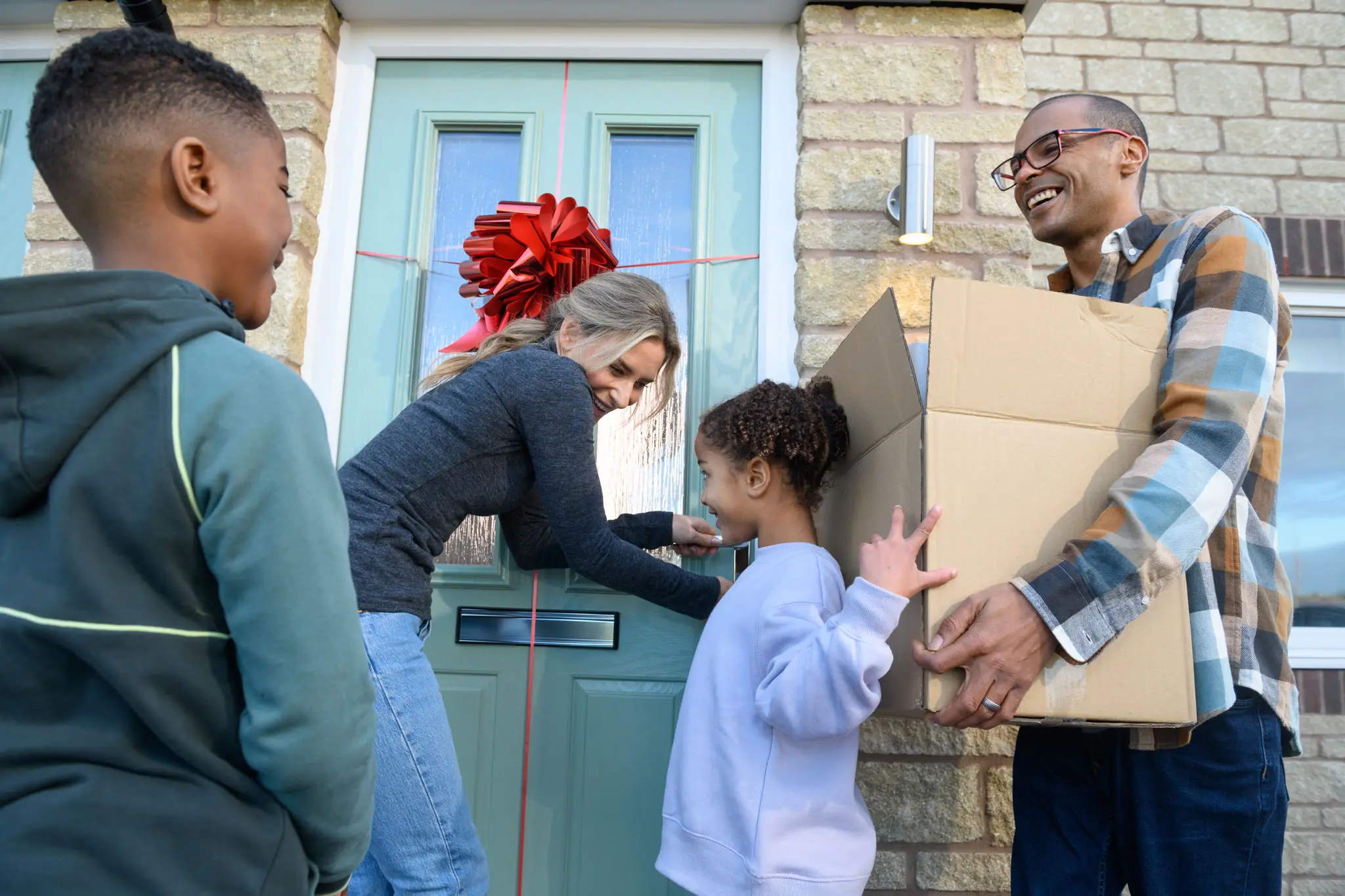
Learn what completion day means and what happens between offer acceptance and completion.

First-time buyer guides covering everything you need to buy with confidence.
Explore real stories from first-time buyers using schemes to find their dream home and settle in.