Before you find the right house, you need to find the right location. It’s a cliché, but it’s true. Do your research well, and you can start your property search in confidence.
Know which questions to ask, and what to look for, when you’re thinking about a location that suits your budget, lifestyle and future plans.
Once you know how much you can afford to borrow, you’ll have a better idea of which locations to focus on. Check the house prices for the areas you’re interested in and see if you can afford to buy there. Have a look at how prices have changed – many websites have house price checkers. If they’re too high for you now, could they come down again?
A sense of community is so important to where you live. Does the location you’re considering have thriving local organisations, groups or sports clubs? Are there mum’s or toddler groups? Check social media to see if there is a local neighbourhood Facebook group. They’re easy to join, and should give you a good idea of how much is going on in the area, and what the community spirit is like.
At Persimmon we’re proud to support our local communities, making regular donations to local charities through our Community Champions scheme.

How close are amenities like shops, GP practices, hospitals, schools and public services? If you don’t drive, it’s important to make sure you can use public transport to reach these kind of amenities. Is there a bus stop nearby and how frequent are the buses? Remember that in some larger Persimmon developments, we include retail units and spaces for community facilities in our plans, giving neighbourhoods a great sense of community from the very beginning.
Good transport links are a key consideration for any first-time buyer. If you commute to work, you want to be living fairly close to a major main road or railway station.
It’s also good to know if any major transport infrastructure is being planned near your home in the future. Your solicitor will find this information as part of local searches in the conveyancing process. While providing economic stability and potential for an area, any large scale construction programme could be disruptive in the short term.
This one is harder to measure – it’s more of a ‘gut feel’. If an area seems to be thriving, has good services, transport links and potential for further development, property prices should rise in the future. This helps to future-proof your purchase. Local searches can help here, too, providing information on anything that may negatively impact property prices.
Are there parks, children’s play areas and accessible countryside within walking distance of your home? People want places nearby where they can exercise or walk a dog. Visit the area and see for yourself. Also, are the parks well maintained? Do they feel like safe spaces? Look at maps and find out how well served an area is with public footpaths or bridleways.
If you have young children or are planning to start a family, then it’s handy to know which schools’ catchment area you’ll be in. Look online to find out. If a school has a particularly good reputation, property prices may feel a ‘catchment effect’ and increase the interest in a certain area.

Can I afford to live here?
Not just the property price, but the cost of commuting or standard of living. For example, how much is the Council Tax?
Is it easy to get to work?
How much longer is my commute? Do I have to change trains, or get an earlier train? Is my journey by car going to hit more traffic?
Does the area feel safe, welcoming and community-spirited?
Is this somewhere I would want to raise a family? Is there enough going on? Would I make new friends here?
Are there enough local amenities nearby?
Where is the nearest doctor’s surgery? Is there a corner shop within walking distance? Where’s the nearest large supermarket?
What are the schools like?
Am I in a catchment area for a well-regarded secondary school? If I am, is this raising house prices and making the property market more competitive here?
The best thing you can do to compare areas are to test them out!
Visit at different times of day, perhaps during the rush hour or school run, then in the evening and during the weekend. You’ll get a sense of what noise levels are like, how busy the roads are, how safe the neighbourhood feels after dark. Measure practical things, like broadband speeds, school league tables and crime statistics – all this information is easily available online. Do your daily commute from each area.
At Persimmon, we have developments in many locations across England, Scotland and Wales, so we might be building new homes in your area. We choose our locations carefully, ensuring residents have access to local amenities, green space and good transport links. We don’t just build houses – we build strong, safe, sustainable communities.
From helping you with your research, to understanding more about mortgages and deposits, we’re here to make the journey to buying your first home easier.
Find out more in our First-Time Buyers Hub:
These stories explore how couples navigated the buying process and found a home they love that suited both their lifestyle and future plans.
Choose your ideal location, explore our homes, and find a place you’ll love.

Learn how to set your homebuying budget, from deposits and mortgages to extra costs.

Understand mortgages, credit scores, lender checks and how to get mortgage‑ready as a first‑time buyer.

Find out how much deposit you need, the average first‑time buyer deposit, and the best ways to save faster.

Discover how to buy your first home faster with expert help, flexible options and tailored support.
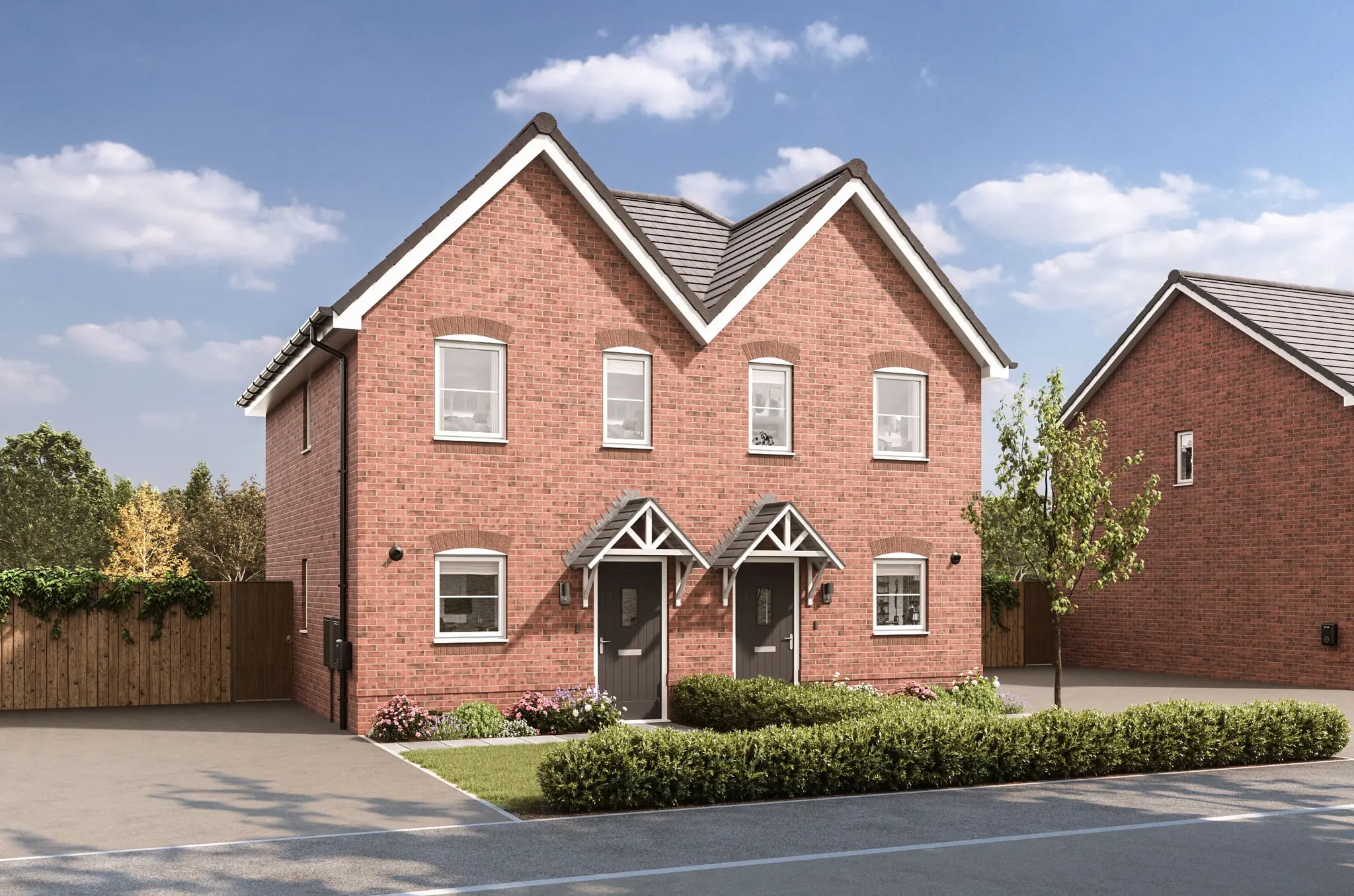
Learn to budget, search and view homes, compare options, and make an offer on your first home.

Learn what completion day means and what happens between offer acceptance and completion.

First-time buyer guides covering everything you need to buy with confidence.

Explore real stories from first-time buyers using schemes to find their dream home and settle in.